White smoke from the exhaust during a cold start typically occurs because moisture or condensation in the exhaust system evaporates as the engine heats up. This vapor is harmless and temporary, caused by residual moisture from overnight or recent engine shutdowns. However, if the white smoke persists beyond the initial warm-up, it may indicate issues like coolant leaks, a blown head gasket, or cracked components, which require further investigation. Continue exploring to understand when and how to identify these problems correctly.
Quick Tips
- White smoke during cold starts is typically caused by condensation evaporating in the exhaust system.
- Residual moisture from overnight parking creates visible white vapor that dissipates as the engine warms.
- Normal condensation is common and not a sign of engine trouble during initial warm-up.
- Persistent or thick white smoke may indicate coolant leaks or head gasket issues.
- Proper inspection and diagnosis are needed if white smoke lasts beyond initial engine warm-up.
Why Does White Smoke Appear During Cold Starts?
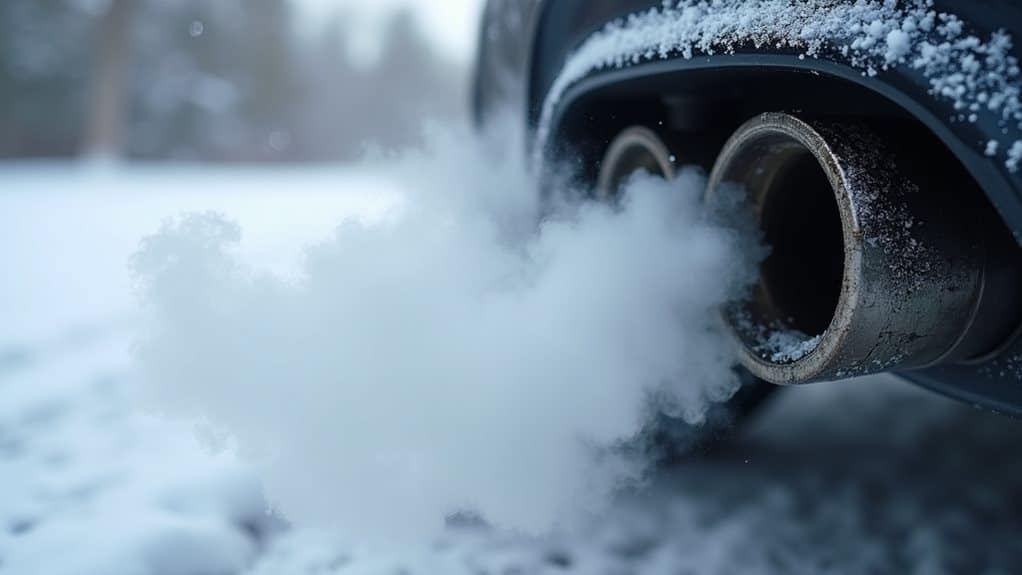
White smoke appears during cold starts primarily because of moisture or condensation that collects in the exhaust system. When you start your engine, this moisture evaporates due to heat, producing visible white smoke.
This phenomenon is common and temporary, usually disappearing as the engine warms up. It’s caused by normal condensation, not necessarily indicating a problem with your vehicle. Electrical issues like faulty wiring can also cause unrelated dashboard lights to stay on and may warrant separate inspection.
Is White Smoke Normal or a Sign of Engine Trouble?
While it’s common for a small amount of white smoke to appear when starting your engine on a cold day, the key question is whether this smoke indicates normal operation or a potential issue.
Persistent white smoke, especially with a strange engine sound, may signal coolant leaks, possibly related to timing belt problems.
Diagnostic Equipment helps confirm if the engine runs normally.
Mechanical issues such as a timing chain/belt misalignment can also cause symptoms that mimic coolant leakage and white smoke.
How Condensation Causes White Smoke When Starting Cold
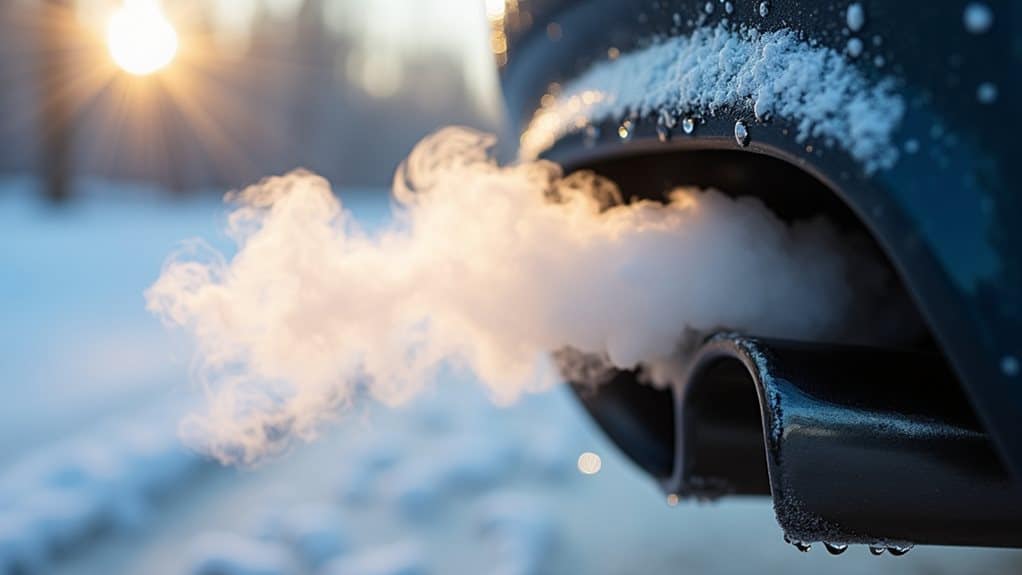
When you start your vehicle on a cold morning, the white smoke that escapes from the exhaust is often caused by condensation, a natural process that occurs in the exhaust system.
Residual moisture from overnight or parked periods condenses into visible mist as the engine cools.
When the engine warms up, this vapor turns into white smoke, which usually dissipates quickly.
A weak battery or low voltage can sometimes cause similar symptoms by affecting sensors and engine operation, so check the battery health if the white smoke persists.
Common Mechanical Causes of Persistent White Smoke
Persistent white smoke that continues even after the engine warms up typically indicates a mechanical issue rather than simple condensation.
Common causes include a blown head gasket or cracked cylinder head, allowing coolant into the combustion chamber.
A damaged turbocharger seal can leak coolant or oil, producing white smoke.
Cracked engine blocks or faulty fuel injectors also lead to persistent white exhaust emissions.
Can Coolant Leaks Cause White Smoke From the Exhaust?
Coolant leaks can cause white smoke from your exhaust when coolant enters the combustion chamber, often due to a blown head gasket.
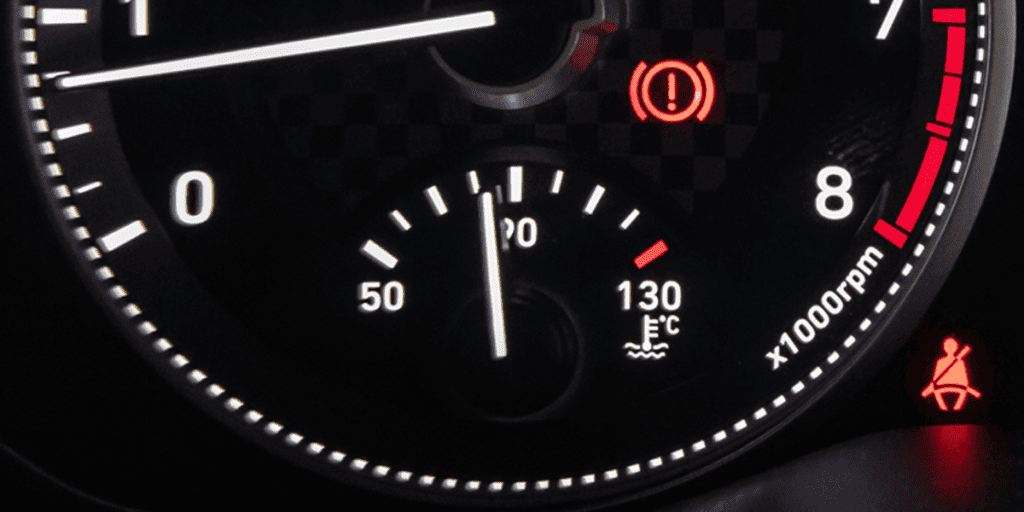
Signs of this include persistent white smoke with a sweet smell, which worsens over time, and may be accompanied by engine overheating or loss of power.
Understanding how coolant leaks impact engine performance helps you identify and address issues before they cause severe damage.
Short blocks and long blocks differ in what they include, which affects repair cost and labor time, so consider whether a partial or more complete engine replacement—such as a short block versus a long block—might be appropriate when damage is extensive.
Coolant Entry Into Combustion Chamber
A leak that allows coolant to enter the combustion chamber can cause white smoke to escape from your vehicle’s exhaust pipe. This often results from a blown head gasket, cracked cylinder head, or damaged intake manifold gasket.
The coolant’s entry produces persistent white smoke, usually with a sweet smell, indicating antifreeze or glycol burning inside the engine.
Signs of Head Gasket Failure
When a head gasket begins to fail, it can lead to several noticeable signs, one of the most important being white smoke emanating from the exhaust, especially during cold starts.
Thick, persistent white smoke often indicates coolant entering the combustion chamber. Other signs include coolant loss, engine overheating, and milky oil, all pointing to potential head gasket failure.
Impact on Engine Performance
Leaks in the engine’s cooling system can have a significant impact on performance, especially when they allow coolant to enter the combustion chamber.
This causes white smoke that persists, indicating a serious issue. The burning of coolant along with fuel can reduce power, cause overheating, and lead to engine damage if not repaired promptly.
How to Tell If Your White Smoke Is Normal or Serious
To determine whether white smoke from your exhaust is normal or serious, observe how long it lasts and when it appears, especially during cold starts.
Pay attention to the smoke’s color, thickness, and smell—thin, harmless smoke usually disappears quickly, while persistent, thick white smoke may signal a coolant leak.
Additionally, note any other engine symptoms such as overheating or a sweet smell, as these can indicate underlying issues like a blown head gasket requiring professional inspection.
Smoke Duration and Timing
The length and timing of white smoke emissions during engine startup are key indicators of whether the issue is normal or requires further investigation. Typically, white smoke lasting only a few minutes and dissipating as the engine warms up is normal.
Persistent or increasing smoke beyond warm-up suggests a potential problem, especially if accompanied by other symptoms like coolant loss or power loss.
Smoke Color and Consistency
Understanding the color and consistency of white smoke from your exhaust can help you determine whether it’s a normal part of engine startup or a sign of a more serious issue.
Thin, short-lived smoke that dissipates quickly is usually normal.
Thick, persistent, or bluish smoke, especially if oily or sweet-smelling, indicates potential problems like coolant leaks or head gasket failure.
Accompanying Engine Symptoms
When white smoke appears during a cold start, paying attention to other engine symptoms can help you determine whether it’s normal or serious.
Persistent smoke beyond initial minutes, combined with coolant loss, overheating, or milky oil, indicates potential issues like a blown head gasket.
Thin, short-lived smoke suggests normal moisture evaporation, while thick, continuous smoke signals mechanical problems.
Does Exhaust System Design Affect White Smoke?
Exhaust system design plays a significant role in the appearance of white smoke during cold starts because the configuration and structure of the pipes influence how exhaust gases and moisture behave as they exit the engine.
Factors like pipe diameter, length, bends, and materials affect temperature and condensation. These factors can cause visible white smoke, especially during initial engine startup when moisture accumulates. Regular checks of related components can help prevent issues like blocked ducts or debris that exacerbate condensation and visible exhaust airflow problems.
How to Check for Coolant or Oil in Your Exhaust
To check for coolant or oil in your exhaust, start by inspecting the smoke visually for a thick, milky appearance or a sweet smell. These signs can indicate coolant burning.
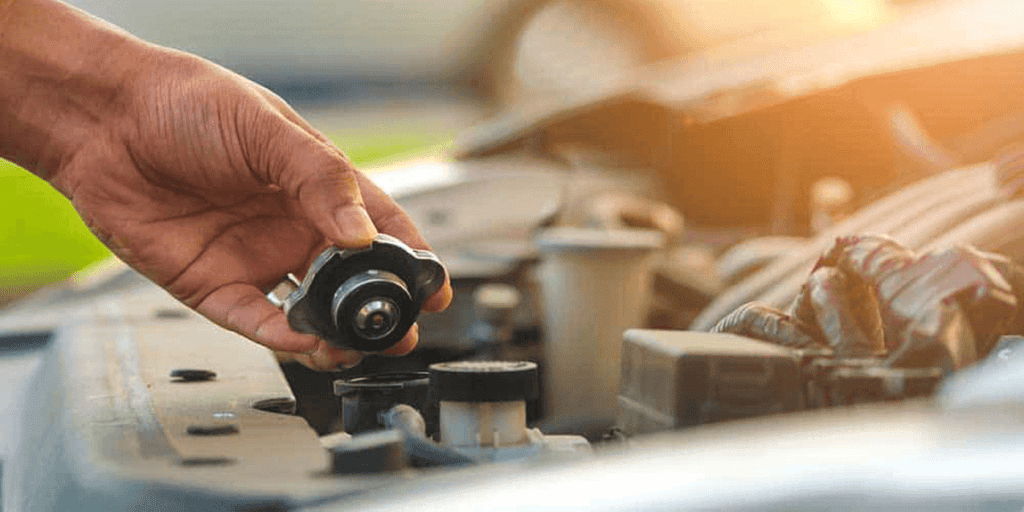
Next, examine your vehicle’s coolant levels in the radiator and overflow tank for any unexplained loss or leaks. Such issues may signal coolant entering the engine.
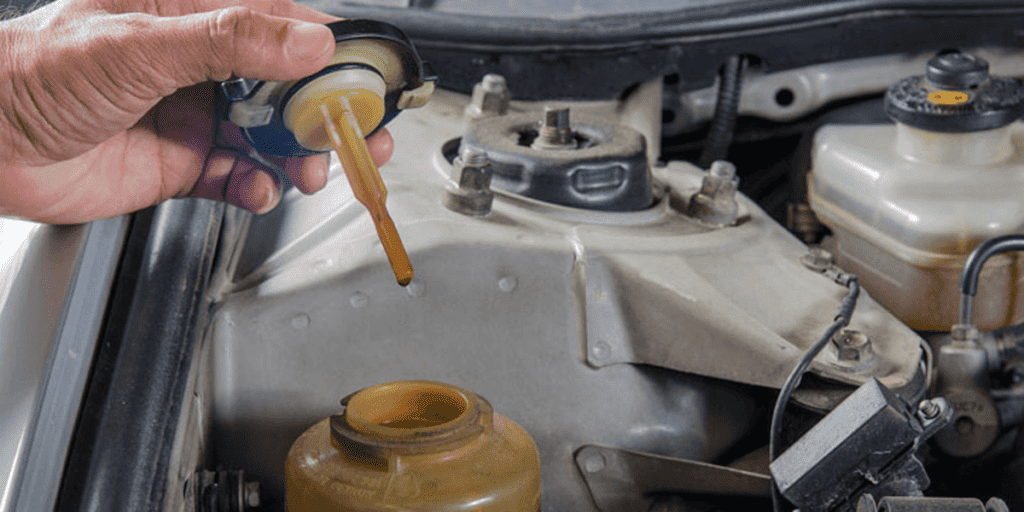
Finally, perform diagnostic tests like a compression test or analyze the oil using test strips or a dipstick. These methods can help identify contamination from coolant or oil mixing with the engine fluids.
Regular monitoring of coolant levels is important because coolant loss can indicate leaks or system failures that allow fluid into the exhaust.
Visual Inspection Techniques
Performing a visual inspection of your vehicle’s exhaust system is an essential step in diagnosing the cause of white smoke when the engine is cold.
Check the exhaust pipe for discoloration, such as a bluish tint indicating oil burning or milky residue suggesting coolant presence.
Look for thick, frothy smoke, a sweet smell, and interior deposits with a flashlight to identify potential leaks or residue buildup.
Smell and Color Clues
When examining the smell and color of smoke from your vehicle’s exhaust, paying attention to specific clues can help identify underlying issues such as coolant or oil leaks.
A sweet smell indicates burning coolant, while a bluish tint suggests oil burning.
Clear, odorless white smoke usually results from condensation, but foul or persistent smoke signals potential engine problems needing further inspection.
Testing Fluids Properly
Testing your vehicle’s fluids is a practical step in diagnosing the cause of white smoke from the exhaust, especially when trying to determine if coolant or oil is leaking into the combustion chamber.
You can inspect for sweet, frothy coolant residue or examine the oil filler cap for mayonnaise-like deposits.
Using a chemical test kit or inspecting spark plugs can confirm fluid intrusion.
Should I Be Concerned If White Smoke Lasts Beyond a Few Minutes?
If white smoke continues to billow from your exhaust beyond a few minutes during a cold start, it’s a sign that you should take the situation seriously.
Persistent white smoke may indicate a coolant leak or head gasket failure, especially if accompanied by overheating.
It’s essential to have your vehicle inspected promptly to prevent potential engine damage from coolant intrusion or internal cracks.
When to See a Mechanic for White Smoke Issues
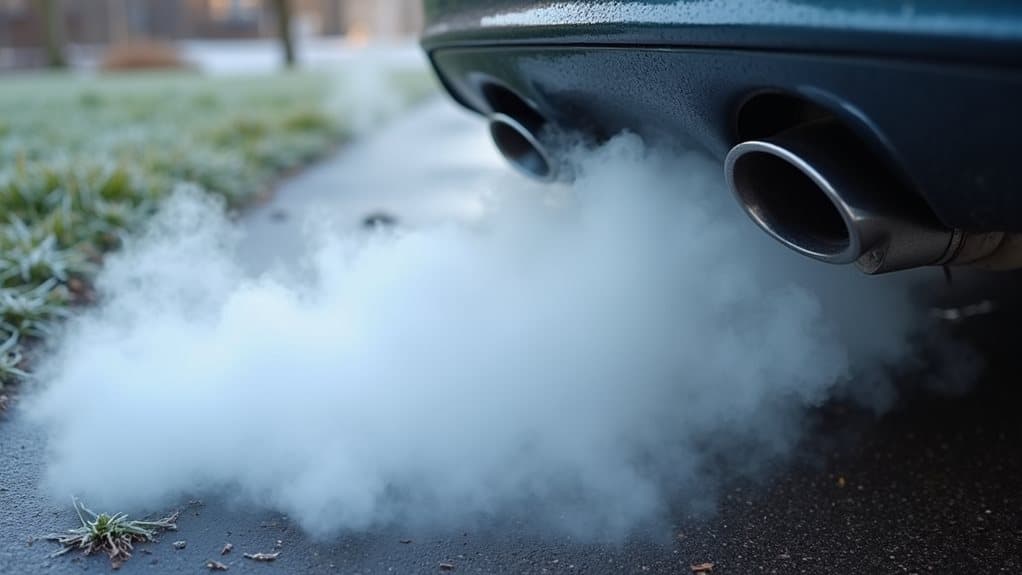
Recognizing when to seek professional help for white smoke emanating from your exhaust can prevent further engine damage and costly repairs.
If the white smoke persists beyond a few minutes, occurs regularly, or is accompanied by overheating, coolant loss, or a sweet smell, it indicates serious issues like a head gasket failure or coolant leak.
Consult a mechanic promptly for diagnosis and repair.
Wrapping up
If white smoke persists after the engine warms up, it’s crucial to identify the cause quickly. Persistent white smoke often indicates coolant leaks or head gasket failure, which can lead to severe engine damage if left unaddressed. Regularly check for coolant or oil in the exhaust, and consult a mechanic if smoke continues beyond initial warm-up or is accompanied by other symptoms like overheating. Timely diagnosis guarantees your engine remains reliable and prevents costly repairs.