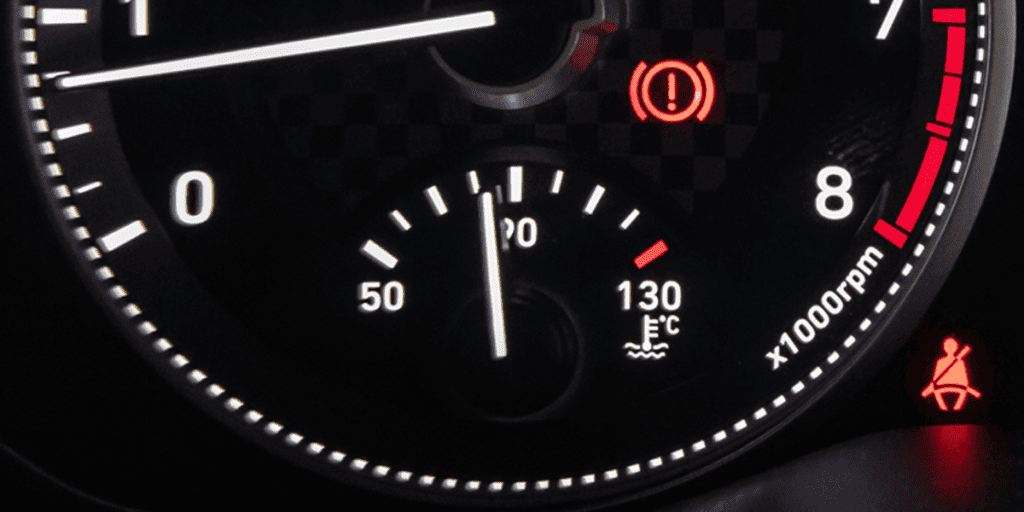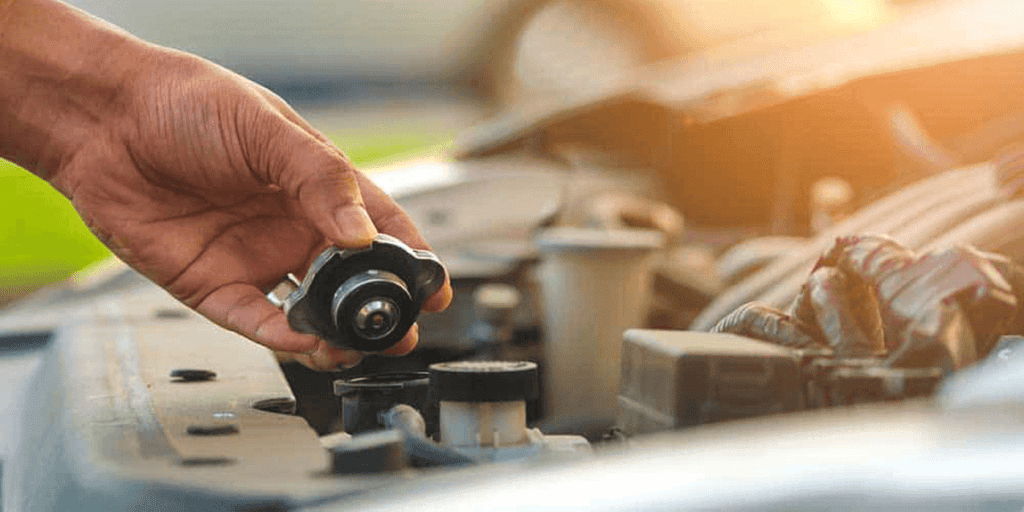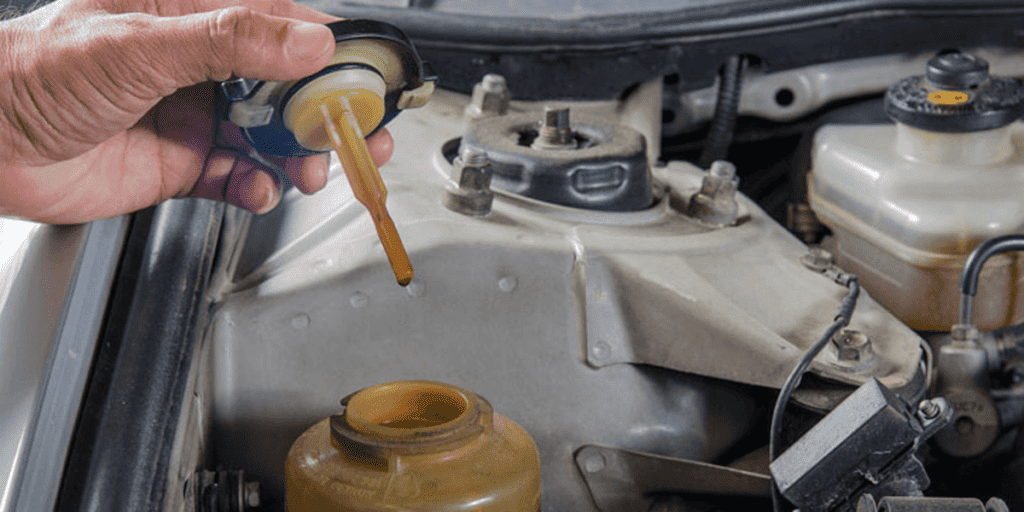
Your car may sputter when accelerating due to issues like a clogged fuel filter or failing fuel pump, which restrict proper fuel flow. Worn spark plugs or faulty ignition coils can cause misfires, while a dirty or malfunctioning mass airflow sensor sends incorrect data, disrupting the air-fuel mixture. Exhaust restrictions or vacuum leaks also create backpressure, reducing power. Addressing these causes involves specific checks, and exploring these topics further can help you identify and fix the problem effectively.
Quick Tips
- Fuel delivery issues, such as clogged filters or failing pumps, can cause inconsistent fuel flow leading to sputtering during acceleration.
- Worn or faulty spark plugs and ignition coils may produce weak sparks, resulting in misfires and engine hesitation when accelerating.
- Dirty or malfunctioning sensors like the MAF can disrupt air-fuel mixture, causing rough acceleration and sputtering.
- Exhaust system blockages, such as a clogged catalytic converter, increase backpressure and hinder engine breathing, causing sputtering.
- Vacuum leaks and unmetered air entering the intake can disrupt combustion, leading to sputtering when you press the accelerator.
Why Is My Car Sputtering During Acceleration?
When your car sputters during acceleration, it’s often a sign that something within the fuel system isn’t working correctly. A clogged fuel filter, failing fuel pump, or inconsistent fuel pressure can disrupt fuel delivery, causing engine hesitation.
Understanding these components helps you identify why your car sputtering occurs, emphasizing the importance of proper fuel system maintenance for smooth acceleration. The PCV valve also plays a role in maintaining proper crankcase pressure and should be checked if symptoms persist, as a faulty PCV valve can contribute to engine hesitation.
Could a Dirty Fuel Filter or Pump Be Causing Your Sputtering?
A dirty fuel filter or a failing fuel pump can markedly impact your engine’s performance, often causing sputtering during acceleration.
A clogged fuel filter restricts fuel flow, while a failing fuel pump delivers inconsistent pressure, leading to engine hesitation.
Regularly checking and replacing your fuel filter and testing the fuel pump help prevent these issues and maintain smooth acceleration.
Diagnosing a clogged injector causing misfires and rough idle can help pinpoint whether the issue is the fuel delivery system or a faulty fuel injector.
Are Worn Spark Plugs or Ignition Components to Blame?
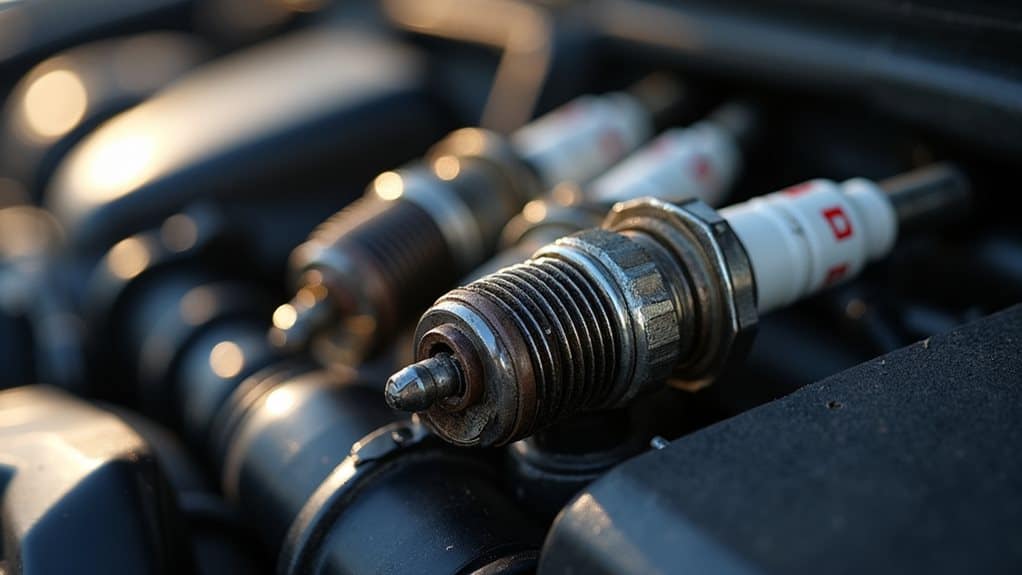
Worn spark plugs or faulty ignition components are common causes of engine sputtering during acceleration, as they directly affect the combustion process.
Worn spark plugs may foul or crack, preventing proper ignition, while a faulty ignition coil produces weak or inconsistent sparks.
Regularly inspecting and replacing these parts according to manufacturer guidelines guarantees proper engine performance and reduces sputtering issues.
Ensure the engine has reached operating temperature (about 176°F) before performing diagnostics or adjustments to avoid misleading results.
Can a Faulty Mass Airflow Sensor Cause Engine Misses?
A faulty mass airflow (MAF) sensor can considerably impact engine performance and cause misfires during acceleration.
When the sensor malfunctions, it sends incorrect air intake data to the engine control unit, leading to improper fuel mixture.
This can cause an engine miss, hesitation, and rough idling, especially under load.
Cleaning or replacing the sensor often resolves these issues.
Regular oil maintenance and checking components like the VTEC solenoid can help prevent related engine performance problems.
How Do Exhaust Restrictions Lead to Power Loss and Sputtering?
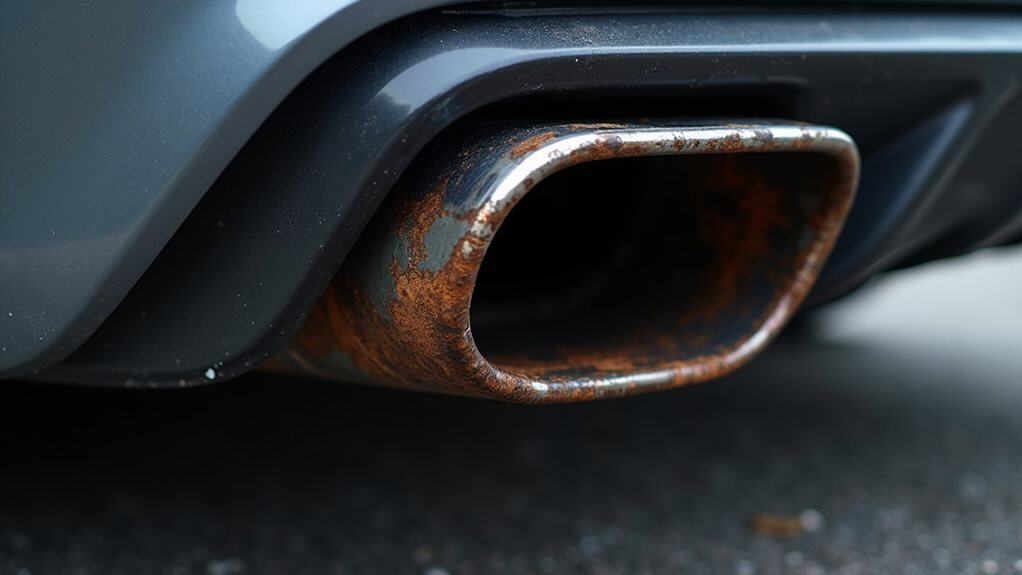
Exhaust restrictions, like a clogged catalytic converter, cause increased backpressure, which makes it harder for exhaust gases to escape the engine.
This buildup reduces the engine’s ability to breathe properly, leading to a loss of power and causing it to sputter when you accelerate.
Over time, this can also result in poor combustion, misfires, and potential damage to engine components due to excessive heat and pressure.
Premium gasoline can sometimes be recommended for engines with higher compression or turbocharging to prevent knocking, so check if your vehicle requires premium gas for optimal performance.
Restricted Exhaust Flow
When exhaust gases can’t flow freely out of the engine, power diminishes, and sputtering often occurs during acceleration.
A clogged catalytic converter or muffler causes increased backpressure, restricting exhaust flow. This buildup hampers engine breathing, reduces power, and can cause overheating or red-hot converters.
Properly functioning exhaust systems are essential for smooth engine performance and avoiding sputtering issues.
Increased Backpressure Effects
Increased backpressure within the exhaust system occurs when components like the catalytic converter or muffler become partially or fully blocked, preventing gases from escaping efficiently. This causes exhaust restrictions, leading to a buildup of gases in the cylinders.
The engine then struggles to push out exhaust, reducing intake of fresh air and fuel, which results in sputtering and power loss.
Catalytic Converter Malfunction
A malfunctioning catalytic converter can substantially impair your vehicle’s performance by causing exhaust gases to back up within the system. This restriction increases backpressure, leading to reduced engine efficiency.
As a result, you might notice engine sputtering during acceleration, decreased power, and potential stalling.
Diagnosing it involves checking for excessive heat or a glowing converter indicating blockage.
Why Is Fuel Pressure Important for Smooth Acceleration?
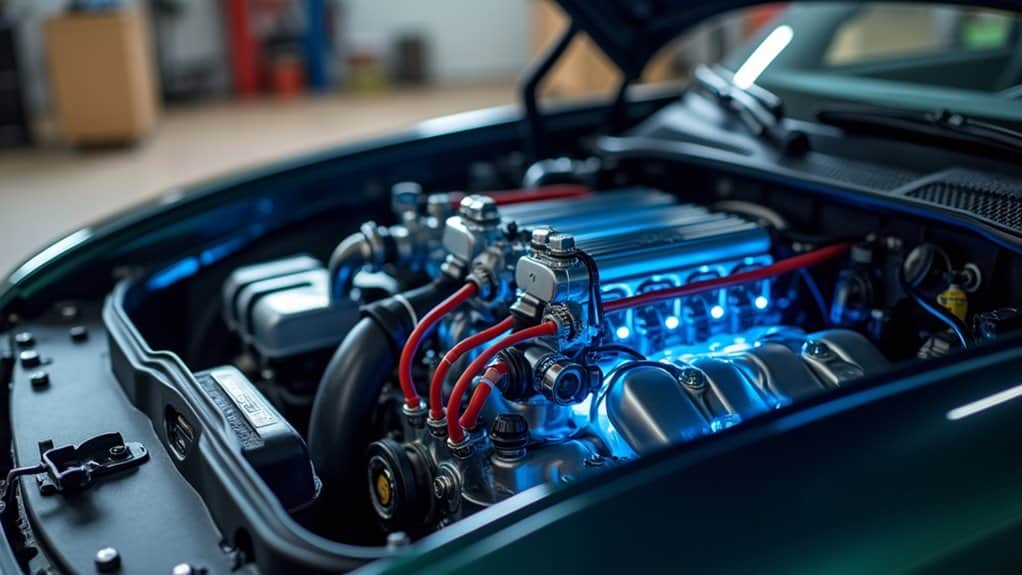
Fuel pressure is essential because it guarantees the engine receives a steady supply of gasoline necessary for proper combustion.
When fuel pressure is too low, the fuel injectors can’t deliver enough fuel, leading to sputtering, hesitation, and rough acceleration.
Maintaining correct fuel pressure with a regulator and regularly testing it helps prevent these issues and keeps the engine running smoothly.
Upgrading related components like high‑flow filters and ensuring proper documentation can help maintain performance and compliance.
Consistent Fuel Delivery
Maintaining consistent fuel pressure is essential for ensuring the engine receives a steady flow of fuel during acceleration, which directly impacts smooth engine performance.
If fuel pressure drops or fluctuates, the fuel injectors can’t deliver the right amount of fuel, causing misfires or hesitation.
Properly functioning fuel pressure regulators and clean fuel filters help maintain stable fuel pressure, preventing sputtering.
Proper Engine Combustion
Proper engine combustion depends heavily on consistent fuel pressure, which guarantees that the engine receives the right amount of fuel at the right time during acceleration.
If fuel pressure drops or fluctuates outside the recommended range—typically 40-60 psi—it can cause incomplete combustion.
This results in engine sputtering, hesitation, and rough acceleration, making regular fuel pressure testing essential for peak engine performance.
Could Vacuum Leaks Be Triggering Your Engine Sputters?
Vacuum leaks are a common cause of engine sputtering during acceleration, and understanding how they occur can help you diagnose the problem more effectively.
A vacuum leak introduces unmetered air into the engine, disrupting the air-fuel mixture. This imbalance causes engine sputters, rough idling, and poor acceleration.
Detecting leaks with a smoke machine and repairing cracked hoses or gaskets can resolve these issues.
How Do Faulty Sensors Affect Engine Response When You Accelerate?
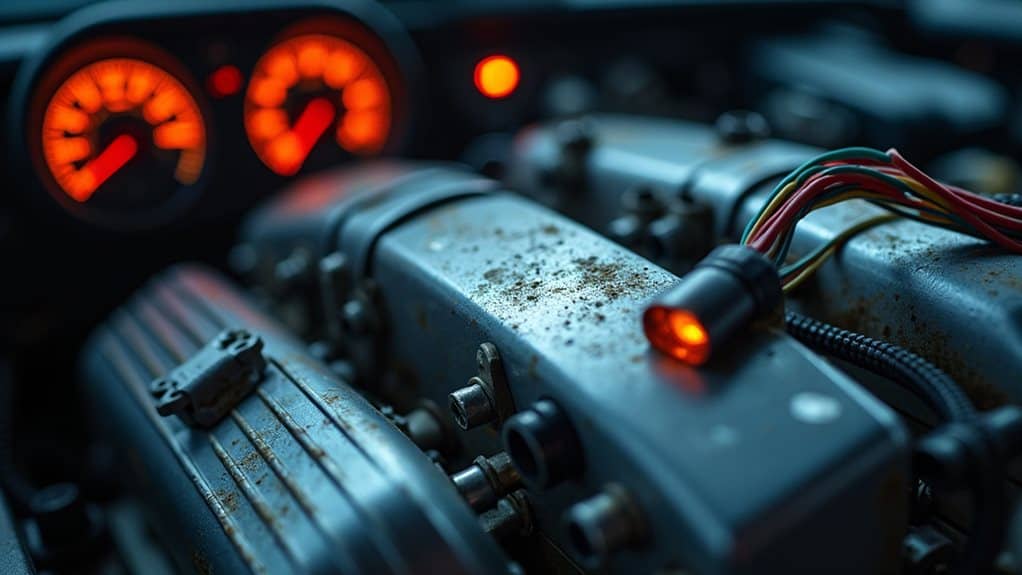
Faulty sensors can considerably impact how your engine responds when you accelerate, as they provide essential data used by the engine control unit (ECU) to determine the correct air-fuel mixture and ignition timing.
When sensors like the mass airflow or oxygen sensors malfunction, they send incorrect signals, causing the engine to run rich or lean. This can result in sputtering, hesitation, and reduced response during acceleration.
When Should You Get Professional Diagnostics for Your Sputtering Car?
Recognizing when to seek professional diagnostics for a sputtering car is essential for preventing engine damage and maintaining reliability.
If the check engine light appears or error codes suggest misfires or fuel system issues, professional diagnostics are necessary.
Persistent symptoms after simple repairs, sudden worsening, or unusual noises also indicate the need for expert evaluation to accurately identify underlying problems.
Steps to Diagnose and Fix Engine Sputtering During Acceleration
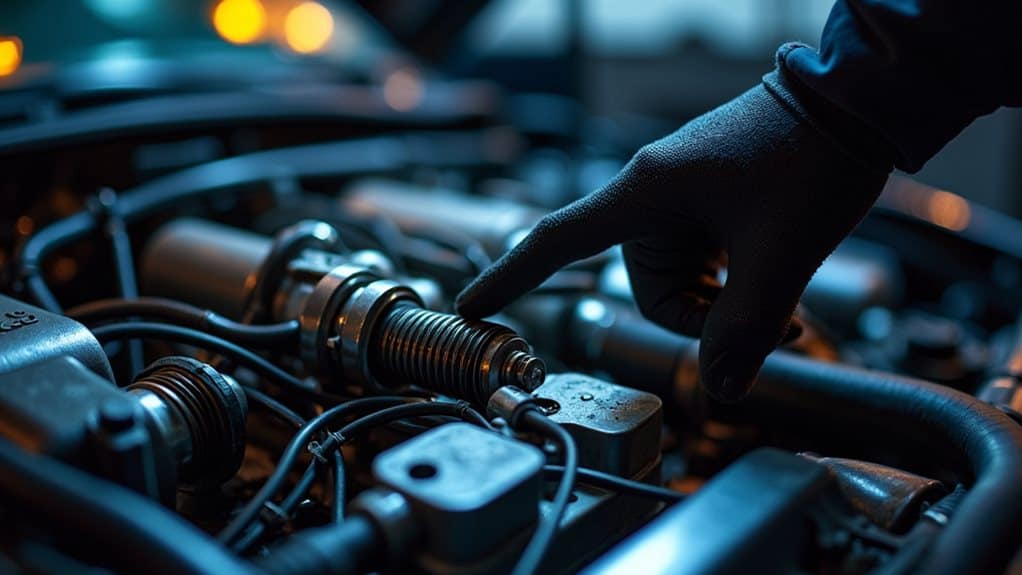
To effectively diagnose and fix engine sputtering during acceleration, start by checking key components affecting performance. Test fuel pressure to verify the pump and regulator work correctly.
Inspect spark plugs, coils, and wiring for misfires causing rough idle and sputtering.
Examine the fuel filter, injectors, and use a scan tool for trouble codes related to sensors, guaranteeing proper engine response.
Wrapping up
To resolve engine sputtering during acceleration, systematically check components like the fuel filter, spark plugs, and sensors, as these directly influence engine performance. Recognize signs of issues such as poor fuel flow, worn ignition parts, or vacuum leaks, which cause misfires and power loss. If basic inspections don’t identify the problem, seek professional diagnostics. Proper maintenance and timely repairs guarantee your engine runs smoothly, preventing further damage and costly repairs.